Sign solutions / A buyer’s guide
Fleet & Vehicle Graphics
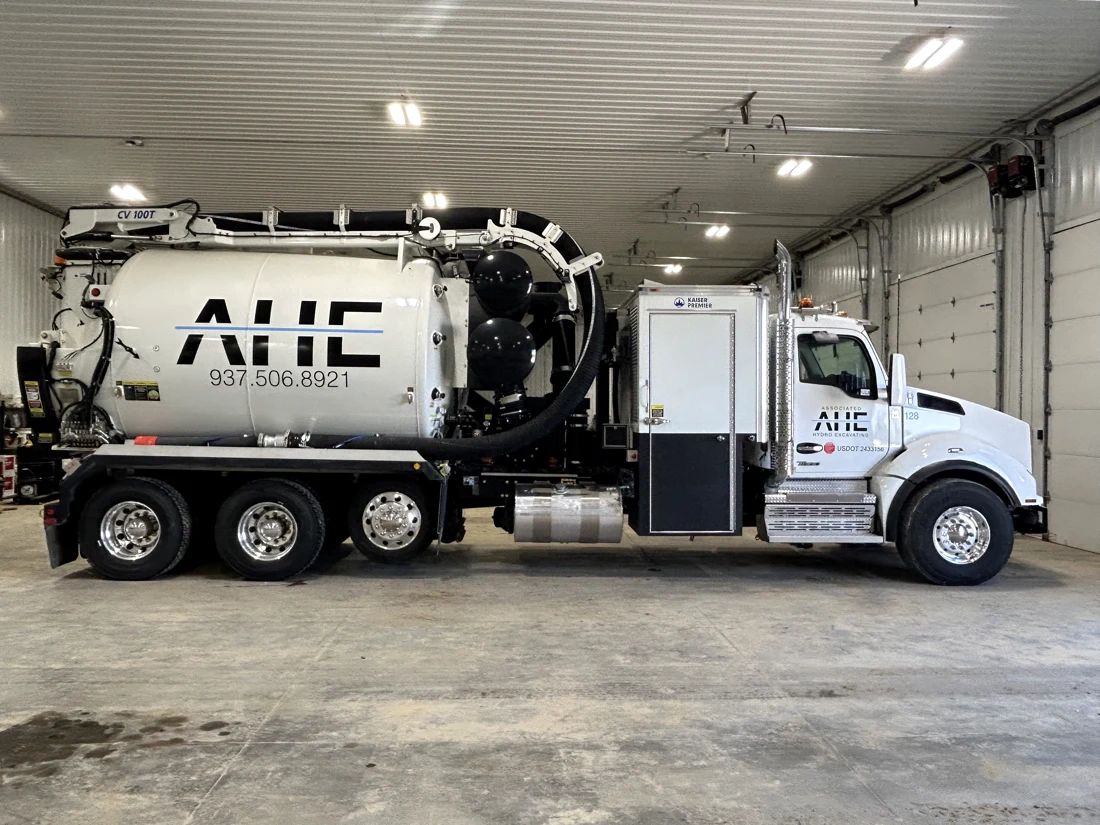
Lettering, partial wraps and fleet graphics fitted to your vehicles and operating schedule.
Lettering, partial graphics and high-coverage wraps are materially different configurations. Pricing depends on the final scope and site conditions.
What are fleet & vehicle graphics?
Vehicle graphics range from door lettering to high-coverage wraps on cars, vans, service bodies, trucks and trailers. Each layout is fitted to the vehicle, with installation scheduled around its availability.
Message / coverage / vehicle use
Coverage options
A service van that needs a phone number, a branded sales vehicle and a mobile retail truck call for different graphic plans. Start with the message and viewing conditions, then define coverage.
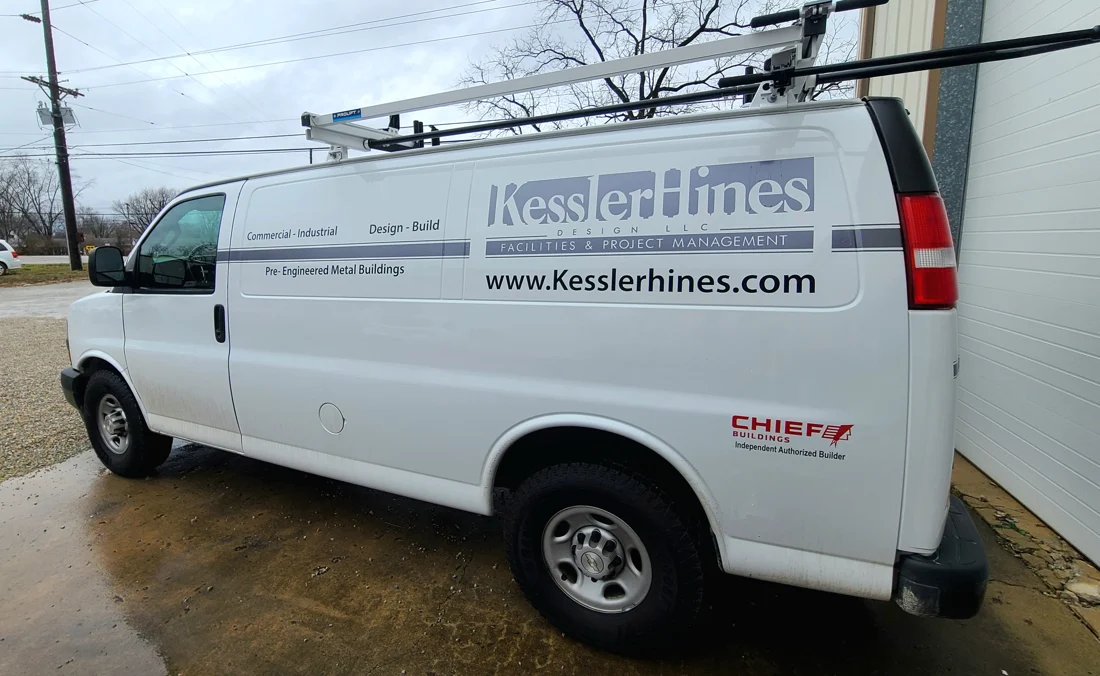
Lettering & identification
Logo, contact information and required markings
Focused graphics identify the business while leaving most of the original vehicle finish visible.
- Best use
- Service vans, trucks and fleet vehicles that need clear identity, contact information, unit numbers or regulatory markings.
- Coordinate
- Logo size, message hierarchy, door seams, handles, body lines, legal markings and consistency across vehicle models.
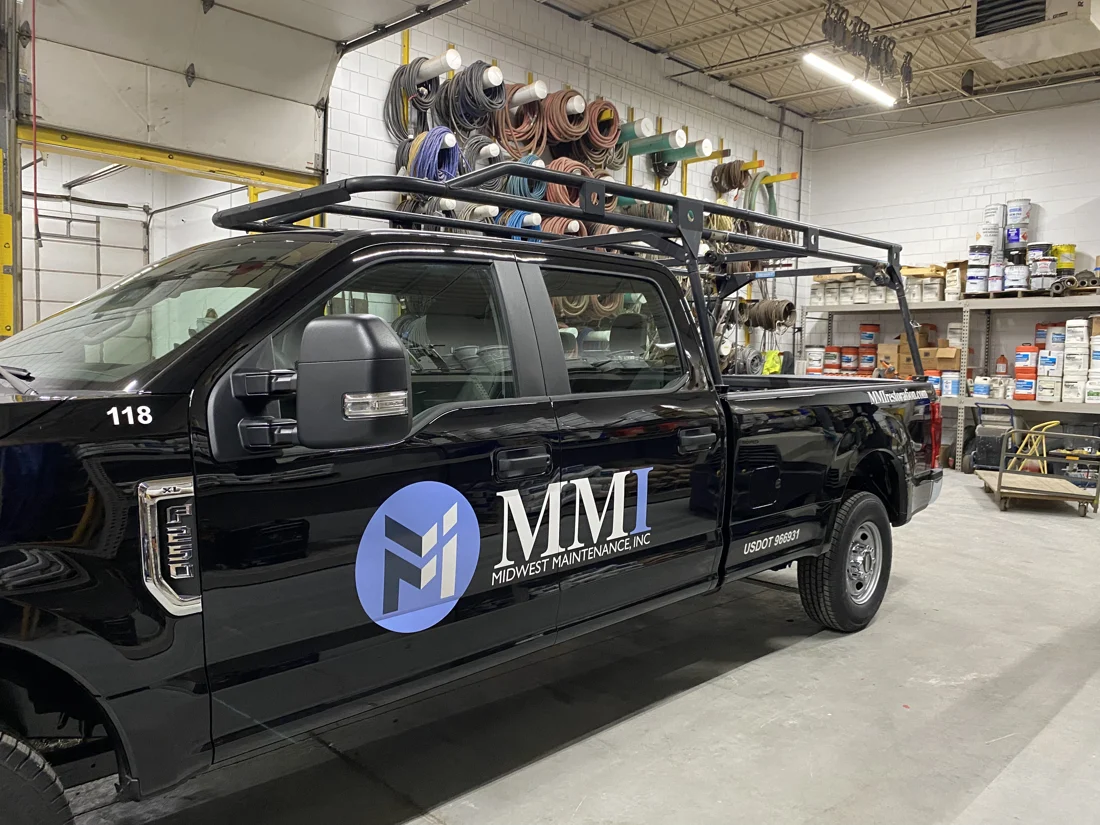
Partial vehicle graphics
Branded areas integrated with the vehicle color
Printed and cut graphics use selected body areas to create a stronger brand presence without covering every panel.
- Best use
- Cars, SUVs, vans and work trucks where the factory finish can become part of the composition.
- Coordinate
- Coverage boundaries, color relationship, panel transitions, visibility from each side and repeatability across the fleet.
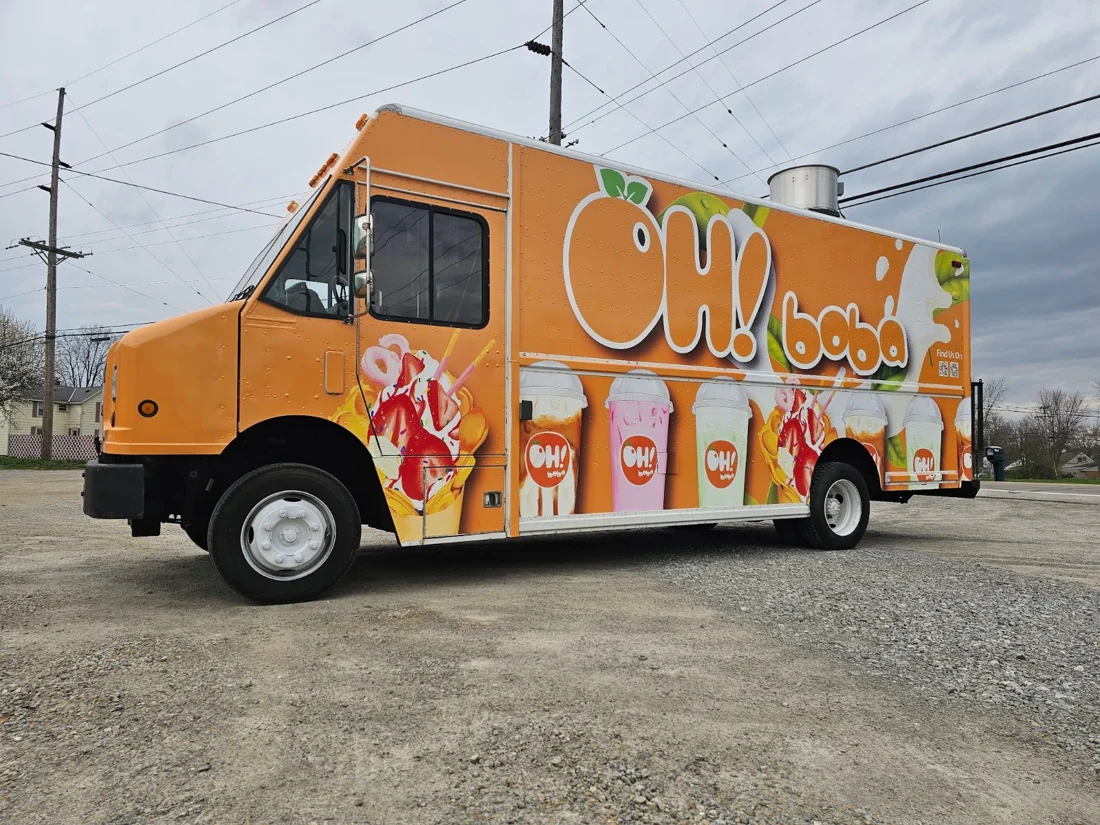
High-coverage wrap
Large visual transformation across the vehicle body
Printed graphics cover major body panels for a larger, continuous design.
- Best use
- Mobile retail, promotional vehicles, trailers and high-visibility fleet units where large graphics are central to the design.
- Coordinate
- Vehicle template, full-scale artwork, panel seams, curves, recesses, hardware, laminate, production panels and installation sequence.
Body / access / operating schedule
Vehicle types
Body shape, equipment, doors, panel joints and service availability determine how the graphics are divided and installed.
Cargo van or service body
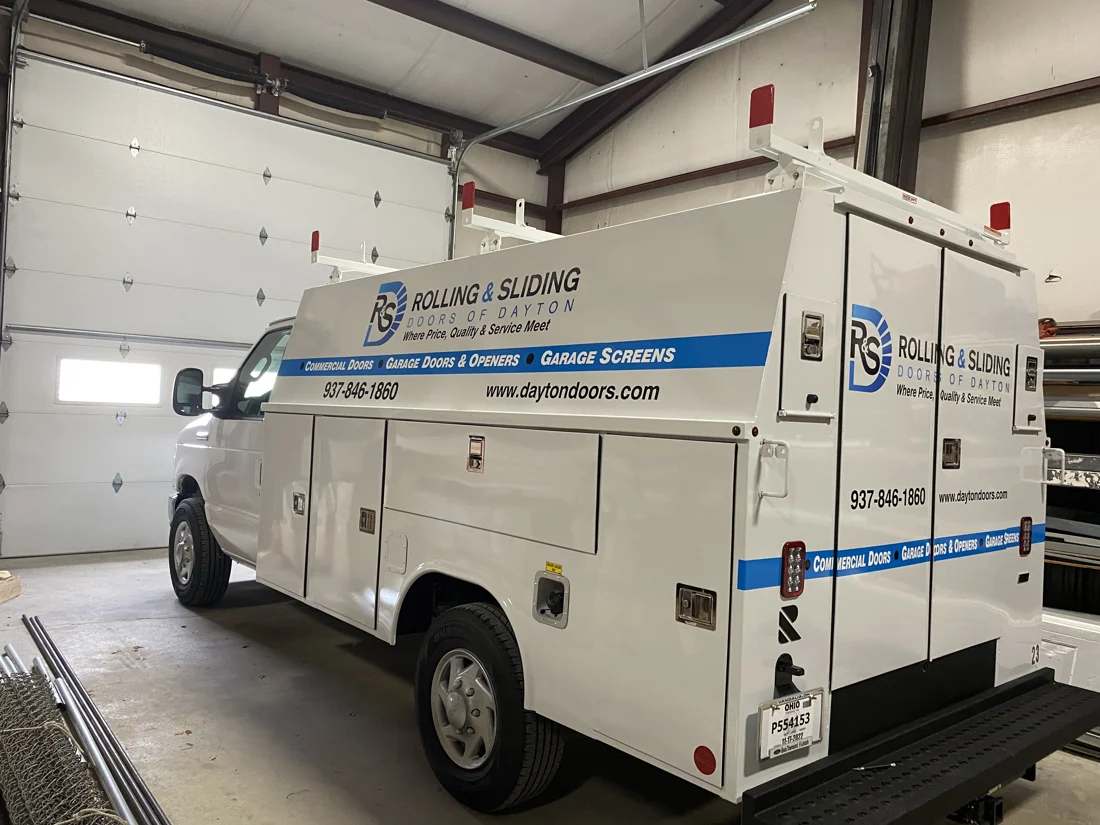
Doors, handles, windows, ladders, compartments and equipment divide the available graphic area into functional zones.
A clear, repeatable layout can work across a service fleet, but each vehicle model may need its own fitted production file.
Document the year, make, model, wheelbase, roof height, body manufacturer, equipment and every graphic-facing side.
Car, pickup or SUV
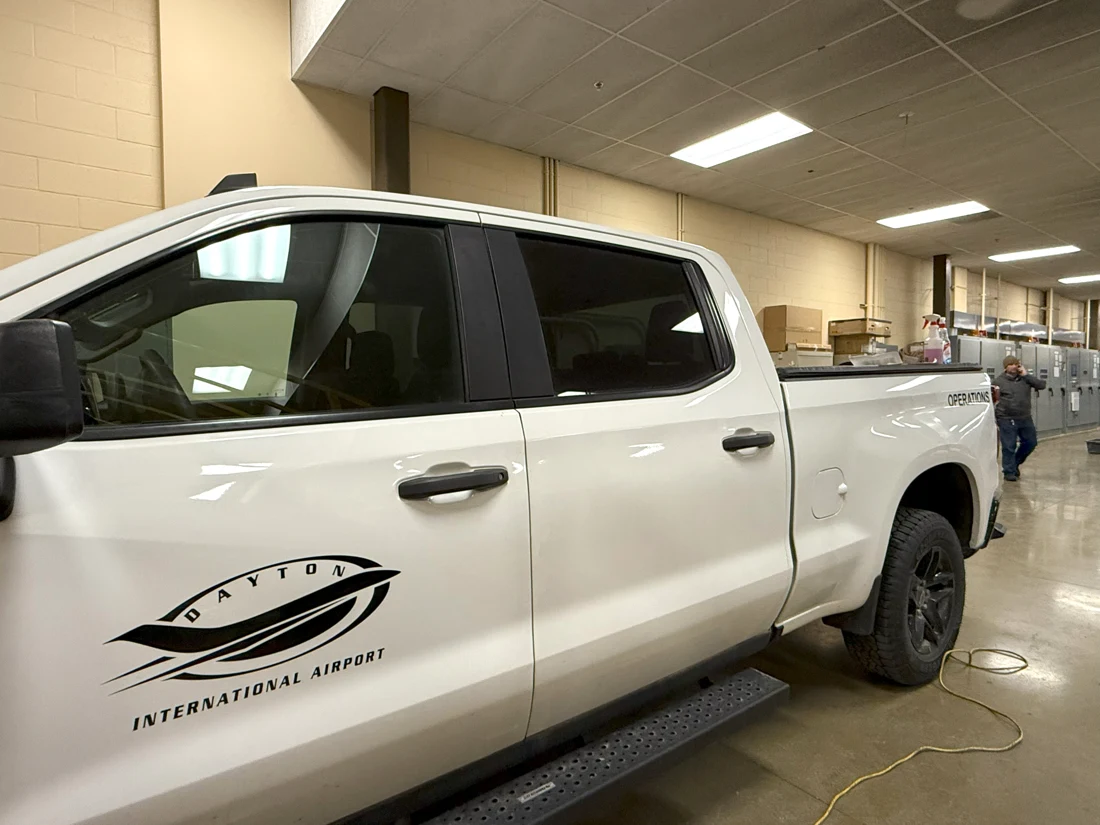
Curved panels and a visible factory color often make selective coverage and concise messaging effective.
Smaller body area demands sharper hierarchy; excessive copy becomes difficult to read while the vehicle is moving.
Prioritize the brand, service and one clear response path, then review the composition from all common approach angles.
Box truck or trailer
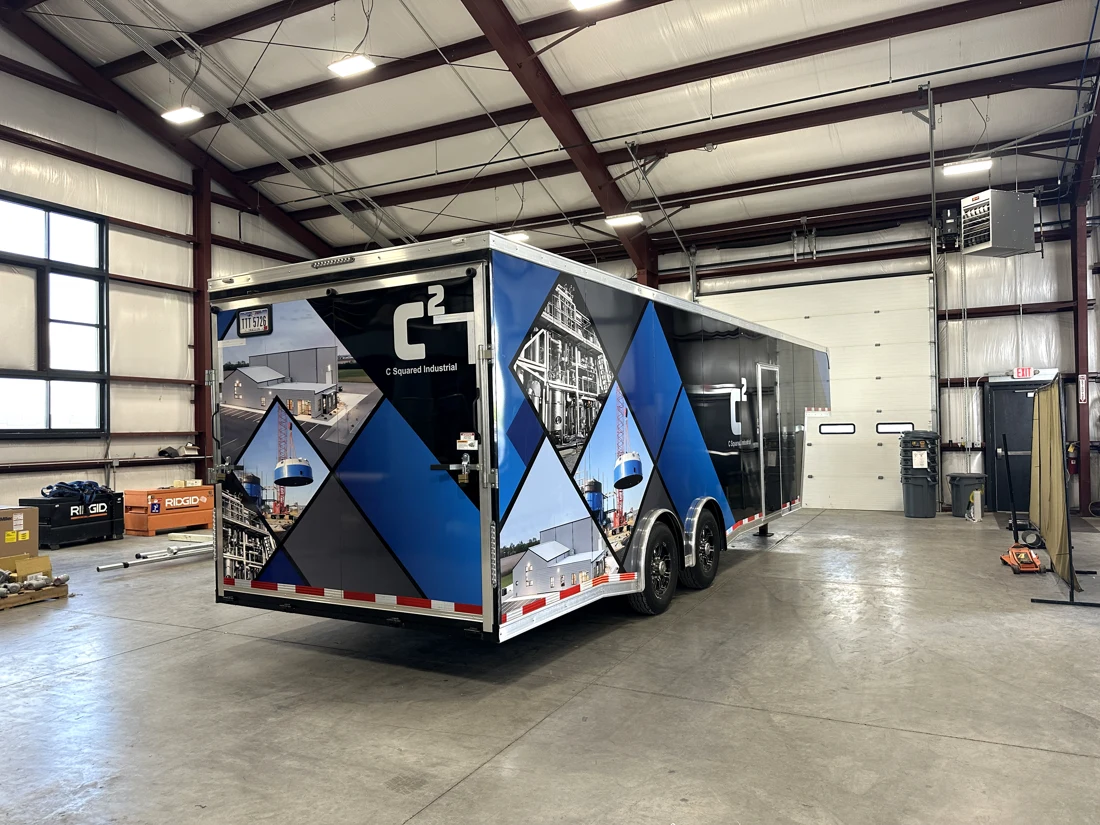
Large flat faces create substantial message area and can carry a consistent mobile billboard across several vehicles.
More area adds material, production panels and installation time, while rivets, seams, doors and hardware still interrupt the surface.
Measure the exact body, mark hardware and door movement, and plan how units will cycle through production and installation.
The details that change the result
Design considerations
Message hierarchy & viewing time
Drivers and pedestrians may see the vehicle for only a few seconds. The business name, service and response path need a deliberate order and enough contrast to read in motion.
Vehicle geometry & panel planning
Windows, handles, hinges, seams, wheel openings, body curves and equipment determine where important copy and image details can sit.
Fleet consistency & adaptation
One brand system may need to fit several makes, models and body styles. Establish the elements that remain consistent and the layout rules that can adapt.
Budget / complete scope
What do fleet & vehicle graphics cost?
Compare vehicle models, quantities, coverage and preparation. Send vehicle photos and artwork, and tell us when the vehicles can be available.
Single-vehicle lettering package
A focused identity and information treatment for one commercial vehicle.
- Vehicle documentation and fitted layout
- Cut or printed graphics for selected areas
- Surface preparation and installation
Request a project-specific estimate
Partial graphic package
A designed treatment covering selected panels while integrating the vehicle’s existing finish.
- Custom artwork and vehicle-specific fit
- Printed film, laminate and production panels
- Preparation, installation and final review
Request a project-specific estimate
Multi-vehicle or trailer program
A repeatable graphic system produced and scheduled across several fleet units or large vehicle bodies.
- Fleet list, body types and adaptation rules
- Quantities, production batches and replacement files
- Vehicle availability and phased installation
Request a project-specific estimate
Confirm the included work and exclusions when comparing estimates.
Commercial Sign Pricing GuideCompare like with like
What changes the price?
These are the details to put beside a price when you compare proposals.
- Vehicle type, size & body condition
A compact car, high-roof van, service body and trailer provide different surface areas and installation details. Paint condition, repairs, rust and existing graphics can affect preparation.
Are the exact vehicle and every intended graphic surface documented?
- Coverage & graphic complexity
Door lettering, partial graphics and high-coverage wraps use different amounts of film, production time, panel planning and installation labor.
Does the proposal define every covered panel and visible side?
- Artwork & vehicle-specific fit
Production-ready branding still needs to be composed and fitted to the specific body. Custom illustration, image preparation and multiple vehicle models add design work.
Is the artwork approved on the correct vehicle template?
- Film, print & protection
Cut vinyl, printable wrap film and protective laminate serve different coverage, finish and durability needs.
Are the film, print, laminate and finish identified?
- Removal & surface preparation
Old graphics, adhesive, wax, road film, hardware and damaged finishes can add work before new graphics are applied.
What must be removed, cleaned, repaired or disassembled first?
- Quantity, scheduling & downtime
Fleet quantities can improve repeatability while adding coordination. Installation must be sequenced around when each working vehicle can be clean, dry and available.
Is there a practical vehicle rotation and completion schedule?
Real Vantage work
Vehicle graphics projects
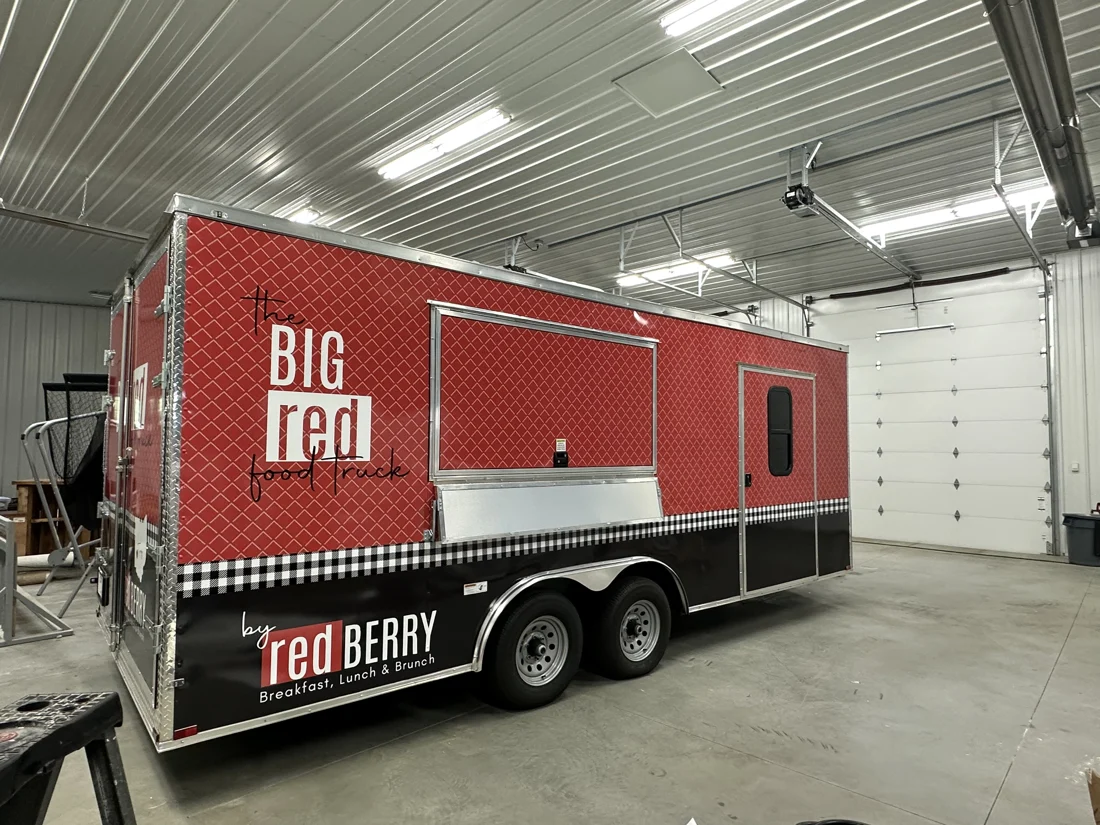
OH! Boba uses high-coverage graphics on a mobile truck; MMI carries a coordinated identity across trailer faces and fleet applications.
OH! Boba Mobile
High-coverage graphics turn a mobile truck body into a recognizable OH! Boba brand surface.
- MOBILE BRANDING
- Identity carried across a working vehicle
- LARGE COVERAGE
- Graphics coordinated across major truck-body faces
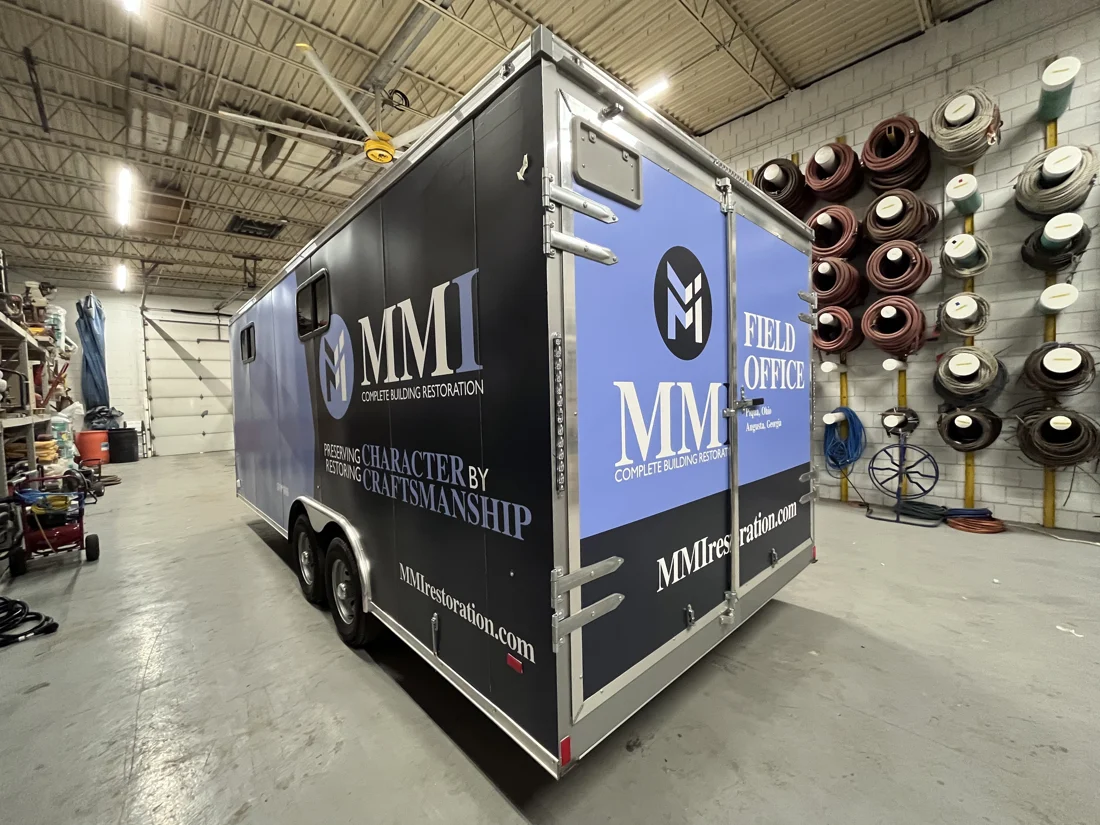
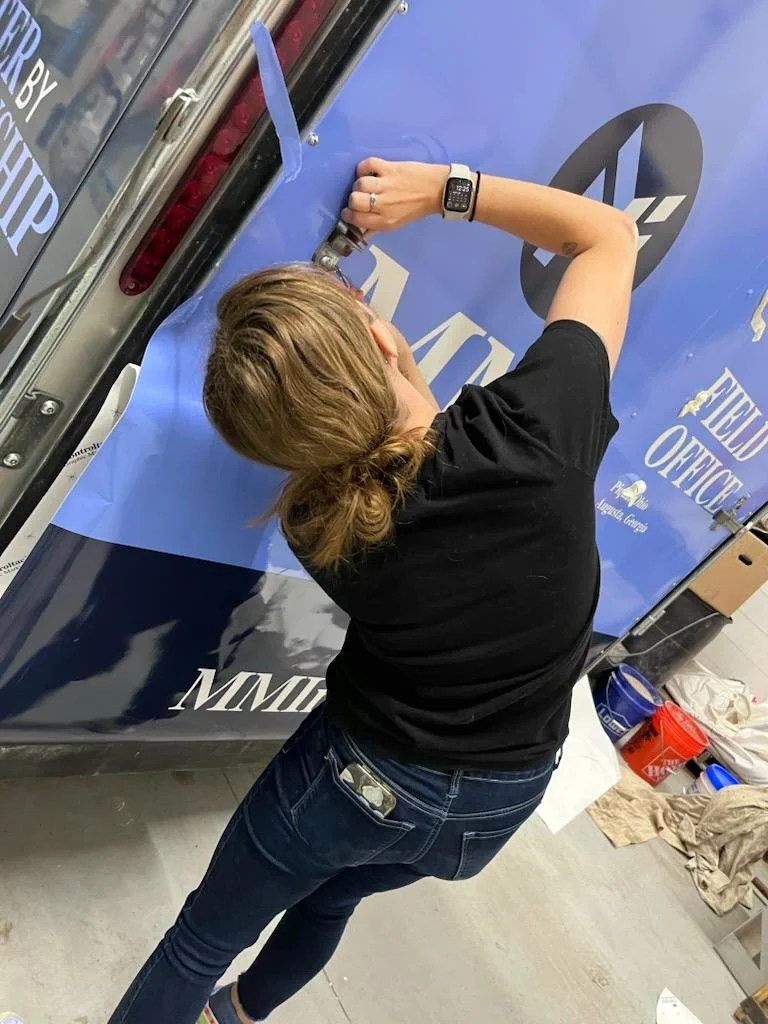
MMI Fleet
A coordinated MMI graphic system carries the organization’s identity across trailer and vehicle applications.
- TRAILER GRAPHICS
- Large-format identity across broad vehicle faces
- FLEET APPLICATION
- Related branding documented on more than one vehicle format
From design to install
Project steps
Inventory the vehicles
Record each year, make, model, body configuration, equipment package, existing graphics and operating schedule.
Define the message & coverage
Prioritize the brand, services, contact path and required markings, then decide which panels should carry them.
Design for each body
Fit approved artwork around windows, seams, doors, handles, curves and equipment using vehicle-specific measurements and reference photos.
Print, cut & organize
Produce film, laminate, cut graphics and labeled installation panels from the approved vehicle files.
Prepare & install
Receive a clean, dry vehicle; remove agreed graphics or hardware; prepare the surface; apply and finish each panel; then review the completed unit.
Considering your options?
Other sign options
Banners & Panels
Consider it whenThe message is short-term, changes frequently or must be removable without a full graphic installation.
Temporary graphics prioritize limited duration and removal; fleet graphics are planned around a more durable vehicle-specific application.
Wall & Window Graphics
Consider it whenThe same campaign or brand system also needs to work on storefront glass, walls or fixed surfaces.
Both use applied graphics, but buildings and vehicles require different films, templates, surfaces and installation methods.
Wall & Building Signs
Consider it whenCustomers also need to identify the permanent destination where the vehicle or service is based.
Vehicle graphics carry the brand through the market; building signs identify the fixed place customers need to find.
Often paired with
Wall & Building Signs Coordinate mobile branding with the primary building identity.
Wall & Window Graphics Extend the same brand system onto storefront glass and interior surfaces.
Banners & Panels Support launches, events and short-term fleet messages with removable graphics.
Before you start
Questions
What is the difference between lettering, partial graphics and a full wrap?
Lettering uses focused logos and information on selected areas. Partial graphics build a larger composition while leaving substantial factory finish visible. A high-coverage or full wrap extends printed film across most major body panels. The right scope depends on the message, vehicle and budget.
What vehicle information should we provide?
Provide the year, make, model, wheelbase, roof height and body or equipment manufacturer where applicable. Include straight-on photos of every side, details of handles and equipment, existing graphics and any body damage.
Can one design work across different vehicle models?
The visual system can remain consistent, but the production layout usually needs to be adapted to each body. Panel proportions, windows, doors, wheel openings and equipment move from model to model.
Do old graphics need to be removed?
That depends on their condition and the new design. Existing film, adhesive and surface condition should be reviewed. Removal and cleaning can be a separate scope and may reveal paint differences or damage.
How should the vehicle be prepared for installation?
The vehicle should arrive clean, dry and free of wax, road film and loose contamination. Confirm fuel, keys, access, indoor space if required, hardware removal and how long the unit can remain out of service.
What should we provide for a planning range?
Send the fleet list, vehicle details and photos, logo files, desired messages, coverage preference, existing-graphic condition, quantity, installation location and timing requirements.
Plan your vehicle graphics
Send the vehicle list, photos, logo files, coverage goals and scheduling needs. We’ll help define the design, production and installation scope.
Start a project